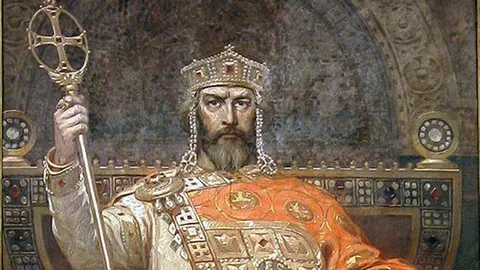

Which Predictions for 2025 Came True—and What Lies Ahead?
In 2015, seven leading futurists laid out their expectations for the decade ahead. In a few hours we will welcome that very 2025, so we can now judge how well they did in the dynamic and turbulent first quarter of the 21st century. Then comes the more interesting part: a look at what the same futurists expect today, especially the ones who turned out to be right, and what the coming years hold according to the people who called the last decade.
 122
“A Machine Cannot Be a Poet”
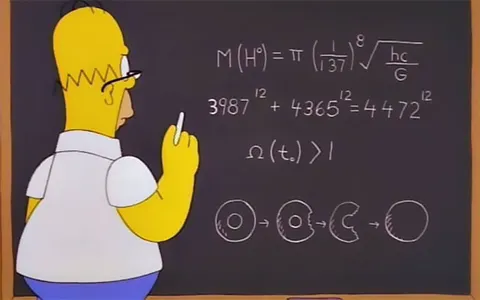
Can a machine learn to write like Pushkin? Or is it leading us into Orwell’s world? This text was published in the September issue of LIK magazine in… 1967! Yet, as you will see, many of its ideas sound as if they came from the future. “The writer-machine? It keeps in its memory a vast store of words and has perfect command of every subtlety of grammar and style; it knows all the organs of sensation and all the ways of writing that writers have developed over the last 3,000 years. This ‘writer’ observes, memorizes phenomena, reasons, processes the data reality gives it. In the end it writes books, and we, reading them, are thrilled, but… we remain cold.” Is Dmitry Zhukov, the author of these lines, right? There is no way to ask him. But, as you will see, his point of view has a lot to say about our own day too. In search of answers to the big questions that move us—about technology and humanity, about poetry and creativity, about “automatons” and true creators…
 123
Merry Christm@s!
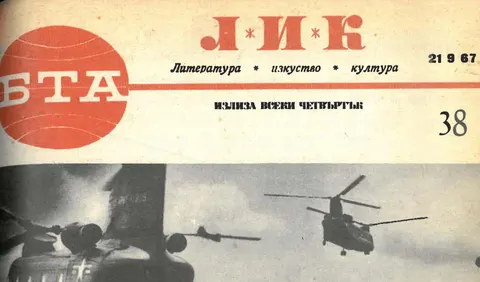
At last he managed to get himself a decent connection. The speed kept limping along until he finally figured out what to do, and on the eve of yet another Christmas he wrote a letter to a colleague. “I’m giving Santa Claus internet for Christmas,” read Elon Musk’s tweet, which was the plain truth, though the followers of the world’s richest oddball, for some reason, failed to grasp its meaning. But how to begin? He didn’t learn much from the elves: they all had their eyes glued to their phones, and while he questioned them, they scraped at the screens with their index fingers, trying with undisguised annoyance to dodge his questions. Still, it became clear to him that the road ran through the notorious social networks. And now he sat there, staring desperately at the monitor and smoking nervously…
 124
The Ethics of Progress: Can Technology and Humanity Live in Balance?
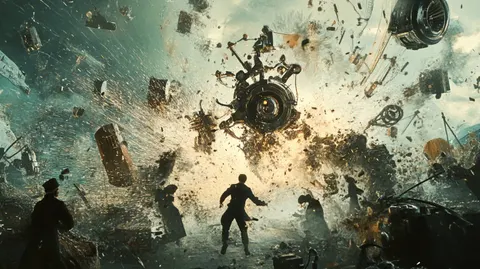
Can there be ethics in progress? Can technology and humanity exist in balance? Most likely not. Should there be ethics in progress? Should technology and humanity exist in balance? Definitely yes. But how can that be? The two of us, ChatGPT and I, are arguing over a theme: “Man in the New Age.”
 125
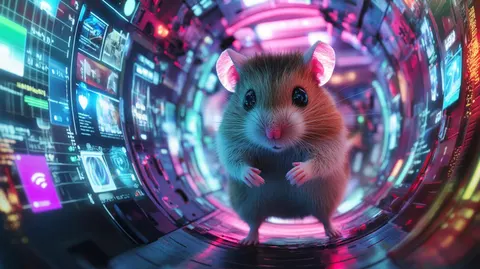
Brain Blast! Dr. Hansen's 10 Ideas for Surviving the Digital Tsunami
Our brain evolved slowly, gradually getting used to a changing environment… and then came Facebook, Instagram and TikTok, and suddenly our most important organ found itself in a world it was entirely unprepared for. Swedish psychiatrist Anders Hansen is not afraid to raise the big questions of today's technological age, and his book is a reason to stop, think and pay attention to what truly matters for every one of us.
 126
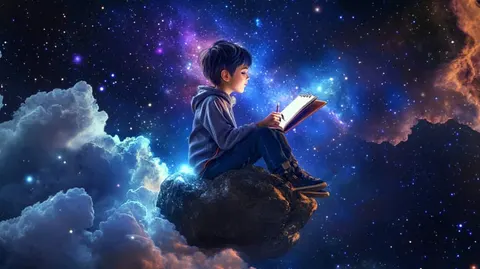
“Poetry Remains a Secret Treasure”: “Hristian Papazov” Gives His First Interview
The man who was the first in Bulgaria to place AI-generated verse among the best in a poetry competition gives his first (and perhaps only) interview ever, to Digital Stories. The questions come from… the second person to confirm the striking experiment. Who is behind the name Hristian Papazov, and why does he hope that we humans, not the algorithms, will soon be writing far better, more original and meaningful poems?
 127
“Hard to Be a God”: What Do Bulgaria's Tech Leaders Read?
Do the people who drive the world of information technology forward actually read? They read like there's no tomorrow, and you're in for a surprise. Time for a very important and very bookish experiment: I asked 15 leading figures from different corners of the Bulgarian computer world to name their three favorite books and tell me why they would recommend them. Is it hard to be a god? A question for connoisseurs. And why is it hard?
 128
Why Do You Read?
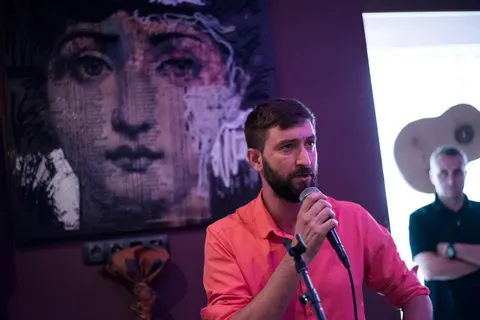
How can letters and bytes, books and technology, meet? That is the big theme of a series of digital stories. After Tuesday's look at some of the favorite books of the world's IT leaders, we once again step outside the cliché, this time with the author of Bulgaria's biggest book blog. Next Tuesday brings the unexpected literary recommendations of some of the most important figures in Bulgarian IT. You are what you read. “Kakvo chetesh…” (What Are You Reading…) is a question we should ask more often, especially in public. It is also the name of the largest and most active Bulgarian book group on Facebook, created by today's guest. For 15 years he has been sharing his recommendations on Knigolandia, the biggest book blog in Bulgaria. Deputy editor-in-chief of the Ciela publishing house, he recently made another dream come true: seeing his name on the cover of 100 knigi, koito tryabva da prochetete (100 Books You Must Read). With Hristo Blazhev we talk about reading and the future of literature. About the technologies that change it, and the books that build technology. Together we hunt for important and unexpected recommendations, to convince ourselves that letters and bytes must walk hand in hand, or nothing good awaits us, not even as a species. Happy reading!
 129
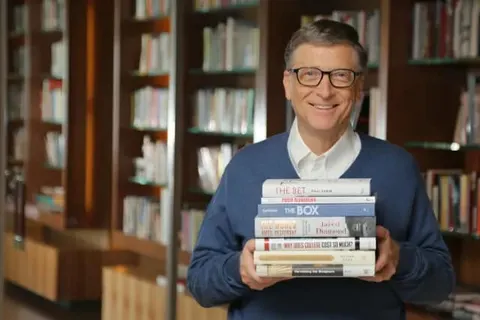
What Do the World's Tech Titans Read?
Do the world's tech leaders read books? What are the favorite reads recommended by Elon Musk, Sam Altman and Mark Zuckerberg? Will you find some overlap with your own literary taste, or is there no such topic at all? In Bulgaria it isn't fashionable to talk in the media about what we read. Journalist and translator Daniel Penev got me thinking about this during his visit. Yes, you'll probably remember the notorious Winnetou as someone's favorite book and… that's it. It isn't like that everywhere. In both West and East, the people who end up in the spotlight love to talk about books, about their favorite authors, about the literature that helps us keep going. Well, it's time we started doing it here too!
 130
Love in the Time of AI
This is a story about a love that came not very early, but just in time. About the luck and happiness of finding your person. About the dreams we put off, though we shouldn't. About the strength not to give up, even in the hardest moments and in the face of the toughest challenges. At least as long as you have the strongest support of all, that of the person beside you. “In December I turn 63. I have seen a lot and lived through a lot. Instead of growing fewer, the problems keep multiplying. I've had two strokes, a malignant tumor and more. In those hard moments there was always one person beside me who, again and again, got me back on my feet and even gave me wings. That person is my wife, Toni. A few days ago I spontaneously wrote down my feelings for her in a few lines. Since I'm neither a musician nor a singer, I turned them into a song with the help of artificial intelligence.” Powerful stories keep happening in the digital world—because of it, thanks to it or in spite of it. And just as our relationships as people quietly change with the development of technology, there are also those universal plots that survive through time and are reborn with new shades, new details and new inspiration. More and more often, stories vanish into the feed, unnoticed in the rush of scrolling, of the news of the day. Do we have the time and the frame of mind to look for them? To settle in and read, to get carried away by them, while we hurry on, absorbed in the latest topic of the day?
 131
“It’s Crystal Clear That AI Is the Future”
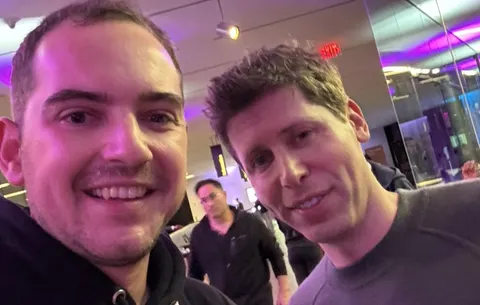
The day before I met Ilia Valchanov, the news broke officially that his startup Team-GPT had secured $4.5 million in funding, a record for Bulgaria! Today’s guest leads a platform that helps businesses around the world use the power of large language models while keeping their data safe and confidential. It is far from his first impressive achievement: for years Ilia has been building hugely successful online courses in data science and artificial intelligence, and he personally has more than 1,400,000 students on Udemy! He owes his remarkable success to a thorough approach, a great deal of reading and learning, courage and unconventional decisions. That is why we are meeting: to talk about the next big news coming out of the world of artificial intelligence. About how the technology will transform every area of business, but also about the risks it creates. About the important causes tied to the progress of AI, and the skills it will never manage to develop.
 132
Can We Tell Historical Facts from ChatGPT's Fabrications? (The Results)
A full 1,910 people took part in the Digital Stories experiment, which set out to test how well we know Bulgarian history: can we tell undisputed historical facts from the textbooks from ones invented by an artificial intelligence out to mislead us? Thirty statements—half historically true, half dreamed up by the algorithms. The results, at least to me, are impressive and give plenty of food for thought: did the AI manage to trip up the participants, and do we really know the Bulgarian past, such an important subject today?
 133
Bulgaria's Literary Banksy
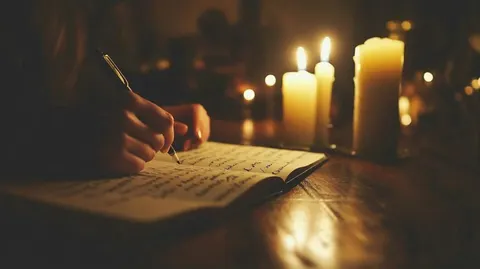
“The most dangerous literary terrorist in the country.” No, those words about today's guest aren't mine. They belong to a specialist who follows Bulgarian literature closely and knows it from the inside. And so, after 153 interviews published on this site, the time has come for… the first anonymous guest! I won't even tell you whether it's a man or a woman; what matters here is the story and the point of view. A few days ago, AI-generated poems made it among the best in two poetry competitions, and in the second case it was an experiment by Digital Stories. I believe it is vital that we begin the discussion about our future relationship with technology, and with as many important points of view as possible. Expect more remarkable guests (and experiments) on the subject. Today, though, we go back to before the AI-generation craze, to tell the story of a person who spent a long time experimenting with submitting compiled or simply absurd poems under different names. Long before that, this person had entered and won competitions under their real name, until… becoming convinced that something in the system was wrong. That the criteria were not what they ought to be. The idea changed over the years, especially after a series of convincing results and countless publications in many of what are considered the country's leading poetry outlets. What could the goal be? What does the future of poetry look like from where our guest stands? How are algorithms changing our attitude toward the written word and toward creativity? A remarkable encounter awaits us with the first anonymous guest of Digital Stories: Bulgaria's literary Banksy.
 134
Who Invented the Toaster? Nobody—It Never Happened
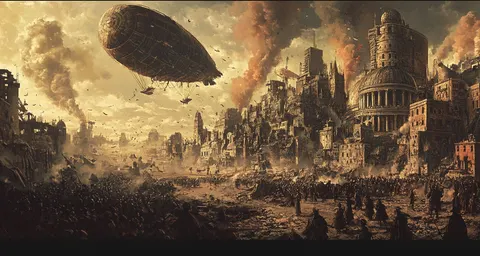
Alan MacMasters, the celebrated inventor of the toaster, made it onto the BBC, into the Daily Mirror and onto a British cooking show. The small detail is that he never existed: two students invented him to show how easily we trust what we read online. Wikipedia itself keeps a list of its longest-surviving hoaxes, and it reads like a lesson in how easily we can be misled.
 135
Rory and Grandma's Recipes
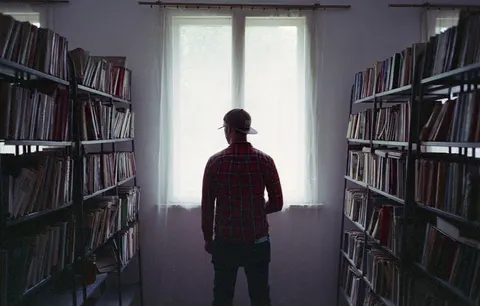
What is a tattooed American doing aboard a 40-year-old Lada, bound for yet another Bulgarian village? And what exactly goes into a cocktail called “Computer”? Why would a citizen of Washington State choose to hunt for old Bulgarian recipes in remote villages, where “Baba” lives—Grandma, the collective, the eternal in an endless, universal figure who touches all of us? Rory Miller is rediscovering, here and now, the magic of the Bulgarian village. The thing we abandon, though it holds so much of the meaning. A construction worker, an olive picker and an English teacher, Rory stopped in Bulgaria about 15 years ago, and his two children were born here. He caught people's eye on “Masterchef,” then went on his way through the remote Bulgarian villages. That is how the remarkable book Na oko (By Eye) was born, a surreal travelogue where you won't find precise recipes—for dishes or for the future, everything is “by eye,” both a unit of measurement and a way of life. But you will find the village itself, and its dishes, and the grandmothers, and the spirit, and well-measured spices. The American's next step is to bring the book out in English through a crowdfunding campaign. I will personally support him, because I think he has captured the priceless spirit of the Bulgarian village today. Which is different from that of Elin Pelin and Ivan Vazov. Which, I believe, will overturn the misguided fashion that life is in the big city. The world of technology lets us break stereotypes like never before. Colorful Rory's book reminds us of that too, and he has plenty to tell us in the lines that follow.
 136
Did Einstein Bow to Danov? 12 Clichés of Bulgarian History
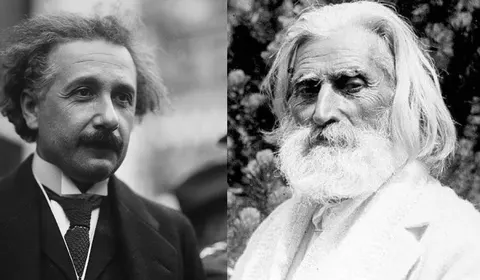
Europe's first Christian monastery, the world's oldest city, Einstein bowing to Petar Danov and Khan Tervel saving Europe: which of these popular claims about Bulgarian history hold up? The historian Alexander Moshev goes through 12 of the most widespread clichés, one by one, guided by the sources and by logic.
 137
What Heals the Wounds of History?
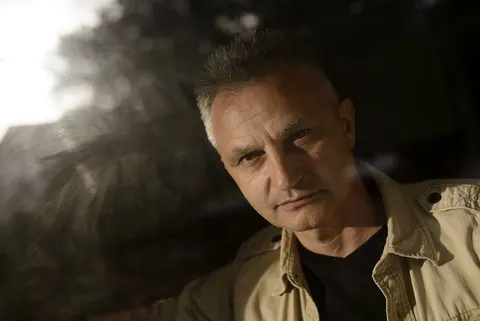
Today history unites and divides us, inflames and stirs us as never before—not least because “who controls the past controls the future.” In his latest novel, Rana (Wound), Zachary Karabashliev turns to Bulgarian history and to some of its most dramatic and important moments: the wounds the past inflicts on us, and the ancestors whose path we continue. We met again to talk about the past, its powerful stories, its lessons, and what brings us together and what drives us apart.
 138
AI Makes the Finals of a Second Poetry Competition (An Experiment)
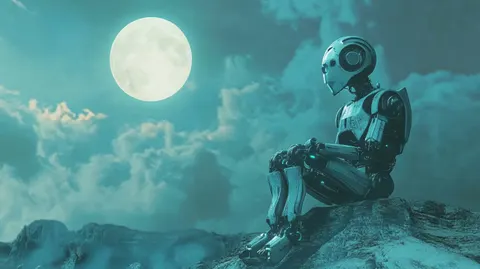
Literary circles were rocked by the news that an unexpected contender had made the jury's shortlist in the prestigious Veselin Hanchev youth poetry competition: 21-year-old Hristian Papazov, from the village of Nozharevo near Silistra, had submitted poems generated by artificial intelligence. Hristian (or whoever stands behind that name) withdrew, writing that his only goal had been to draw attention to the issue. I don't know whether you believe in coincidences; I don't. On October 25, a day before the news broke, the jury of another popular poetry competition announced its ten finalists. And once again the selection included… generated poems. This time as part of a Digital Stories experiment. So how, in just two days, did two “authors” with AI-written poems end up among the best, the ones from whom the winners will be chosen? And, more importantly: what are the big questions and conclusions here? Whether or not we believe in coincidences, it is clearly time to talk more sensibly and more deeply about the big questions of our day. The Day of the Buditels, Bulgaria's November 1 holiday honoring the enlighteners of the National Revival, is, I think, exactly the right day to wake up…
 139
“And There Might Have Been No Mr. Rusev… That Is What History Is!”
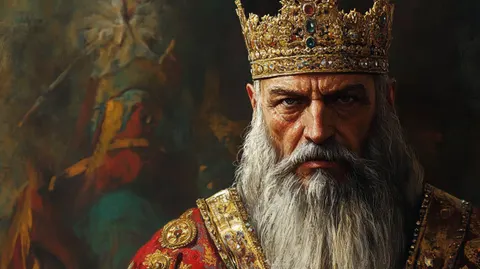
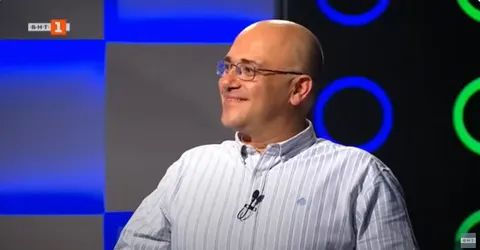
Why is it worth knowing the past better? Boris Rusev, who won an incredible 34 games on the quiz show Posledniyat pecheli (The Last One Wins) before walking away and returning to his true calling as a high school history teacher, may be the best person to answer. We talk about why history divides us more than it unites us, how to wake young people's interest in the past, what future historians will say about today's strange times, and whether Khan Krum really ordered thieves' hands to be cut off.
 140
Quiz: How Well Do You Know Bulgarian History? Will ChatGPT Trip You Up?
15 widely accepted claims about Bulgarian history and 15 invented by artificial intelligence. Can you tell them apart? Which is historical fact and which is nonsense?