
Outrunning the Virus
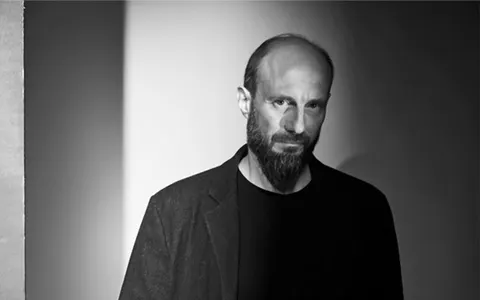
The pandemic is just beginning. Machine learning specialist Youyang Gu comes across wildly contradictory mathematical forecasts of how the situation will unfold. He decides to build his own algorithm and model using neural networks, and quickly becomes a star, because his model produces far more accurate forecasts than those of scientific units with multibillion-dollar budgets.
 502
Stars Over Sofia: The Capital Is About to Get Its Planetarium
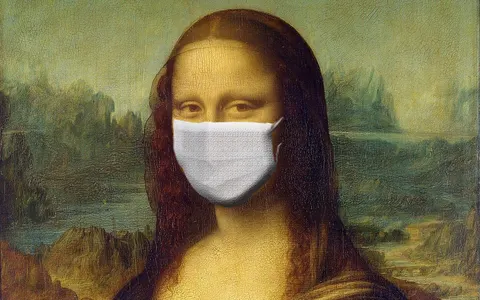
Two aircraft engineers who graduated in Moscow, an electrical engineer who studied in South Korea, and an operations director who is just 17. They are part of the team at the Photonika design bureau, and they promise to build Sofia's first planetarium by the end of the year, then bring similar facilities to many other Bulgarian towns. Fasten your seatbelts, we're taking off!
 503
GPT-3: A Cozy Chat with Artificial Intelligence
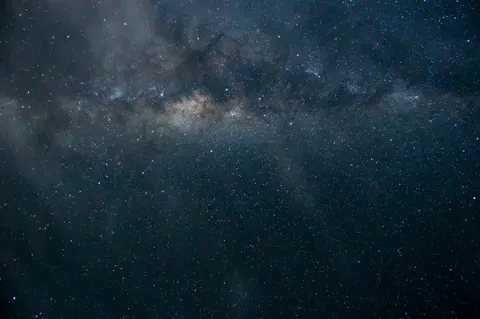
GPT-3. Behind this rather dry computer acronym hides a highly promising technology that takes quite a decisive step forward in the way we perceive artificial intelligence. It is the most powerful new-generation language model, which appeared less than a year ago and showed that neural networks are now capable of creating meaningful, emotional texts, sometimes sounding downright like art. And they can even write… computer code on their own!
 504
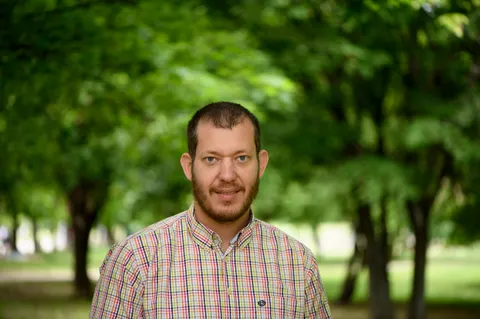
“Conflicts Arise Because We Don’t Bother to Listen to Each Other”
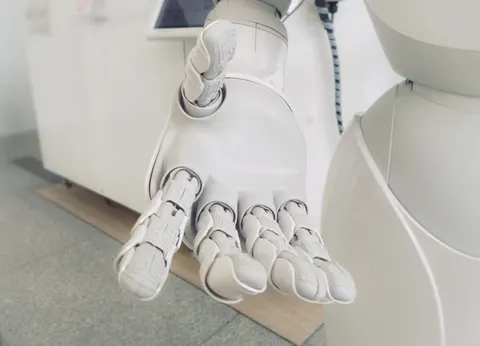
Hari Haralambiev teaches soft skills to people in IT. We sit down with him to talk about all the stereotypes surrounding programming and the people who do it. About hard and soft skills. About difficult conversations. About leadership and the road to success. About the struggles every team goes through. About the human side of an industry that has become so fashionable and so attractive in recent years: software.
 505
Web 3.0: What Will the Internet's New Era Bring Us?
We're living in the age of Web 3.0, they say… But isn't there just one web, one internet? In fact, the global network has already gone through two massive transformations that we never stopped to think about while we were caught in their whirlpools. And now, researchers say, a third is coming, bringing yet another sweeping change…
 506
Digital Minimalism: How to Break Free from Information Addiction
Imperceptibly, gradually and seemingly irreversibly, we have become dependent on technology. Or more precisely, on the information it floods us with, much of which we don't need and which is toxic and draining. The system known as “digital minimalism” offers a way to rein in this creeping dependence. But is it the universal solution?
 507
The Cat and the Quantum Computer
Quantum computers have been one of the most talked-about technology topics of recent years, and the biggest companies in the IT world are locked in a furious race to build working prototypes. More and more people say that they are the next step of the technological era. Yes, the subject is rather complicated, especially when you try to explain it in plain language, but let's give it a go!
 508
A Message in a Bottle, Emailed Across the Generations
“Do your best to make your dreams come true, so that you will have a happy old age!” Moving emails in a bottle sent across the generations exactly a year ago, carrying a message that truly matters…
 509
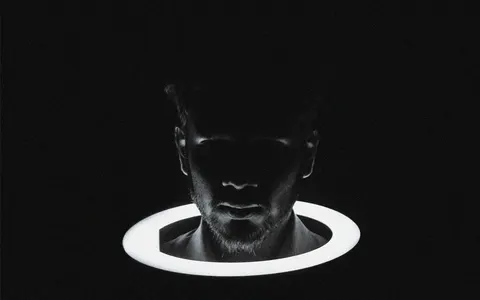
The Deep Lie: Could Deepfake Technology Start a War?
Deepfake technology makes it possible to create a video starring real people that is nonetheless completely fake. Could it lead to war? And how did neural networks suddenly become capable of producing the perfect forgery?
 510
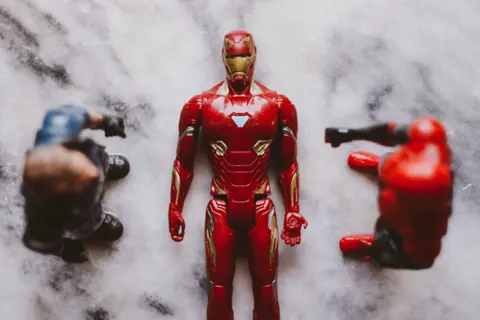
Robots vs. Silodeys: The Story of Bulgaria's First Science Fiction Writer
In 1930, Georgi Iliev wrote the first Bulgarian science fiction novel. Instead of “robot,” he proposed the poetic word “silodey.” His life story is worthy of a film, though today his name is almost forgotten…
 511
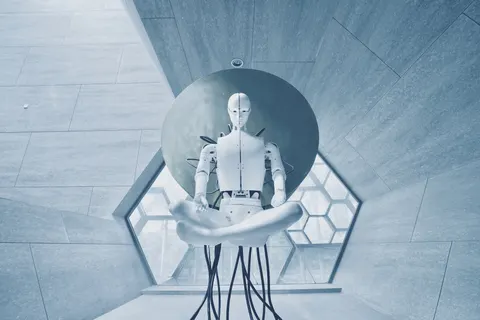
Artificial Art: Are Computers Learning to Create?
Is it mostly a marketing trick, or will artificial intelligence soon paint like a master? Can we teach a computer program to create music, or literature? For a long time we were certain that this is one of the things that set people apart from machines—the lack of imagination, of artistry, of the ability to express oneself through art. But is that really so?
 512
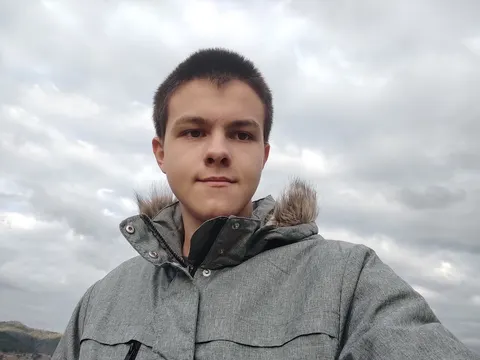
Radostin and the Neural Network
Radostin Cholakov is only 15, but he already has solid experience as a programmer. His latest project is the AzBuki.ML platform. Thanks to it, we will soon be able to use the most advanced AI text-processing capabilities in Bulgarian.
 513
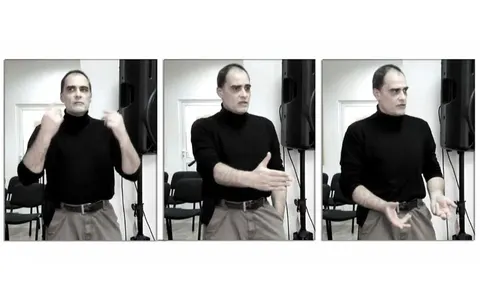
Do We Even Feel Like Dreaming Anymore?
Nikolay Tellalov offers some precious reflections in a slow interview about the stars and happiness, love and meaning, and the words someone has to say and write down. Have science fiction writers stopped dreaming, or has technology overtaken them? Is humanity still learning to walk, or has it hit a midlife crisis, and why don't today's young people rebel?
 514
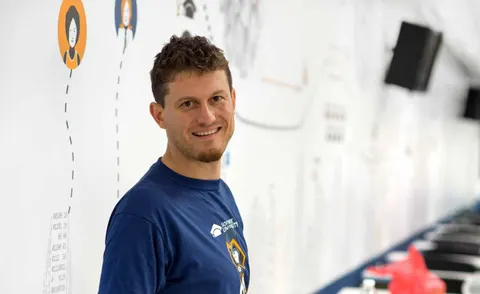
Svetlin Nakov: Today, the Fight for Freedom Is Fought in the Digital World
Svetlin Nakov, the founder of SoftUni, can talk about today's (and tomorrow's) computer world for hours. Engagingly and knowledgeably, with a sense of humor and real insight. Here is what he has to tell us.
 515
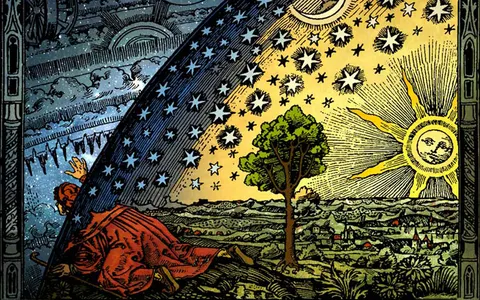
The Earth Is Flat!
For more than two millennia we have been lied to that we live on a ball. It is time for the truth to come out! Today, when anyone online can say whatever they like, when access to information is unprecedented and general knowledge is shrinking in proportion, it is time to question the sixth-grade physics textbook. While you read… be careful not to fall off.
 516
TL;DR
TL;DR: Nobody has time to read long, complex texts anymore. Or do they? Do we need them to keep our brains from “blowing up” and to stay human?
 517
When Musk Puts a Chip in Our Brains…
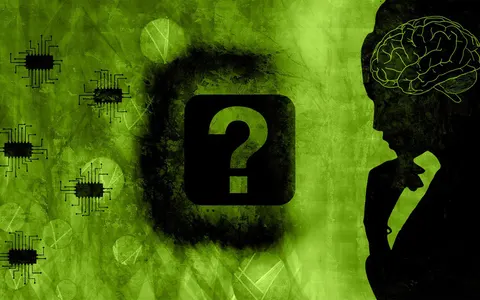
“It’s very important that artificial intelligence not be ‘other.’ It must be ‘us.’ That’s the only way we survive,” says Elon Musk. To get there, he has launched Neuralink, an ultra-ambitious project whose goal is for us to merge with machines: a tiny chip in the brain that makes us part of the global network. Is this fantasy, or the only chance for the human species to survive?
 518
An Interview in… Short Stories?
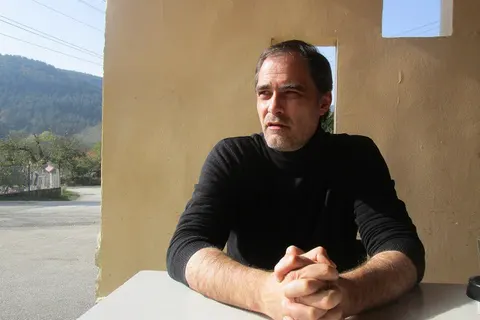
Our guest in the Digital Stories Interviews section has a talent for reading the future. Nikolay Tellalov is a beloved writer, and although he has long been an interpreter and connoisseur of technology, he lives at a healthy distance from it. Here is what he has to say in… short stories: digital stories, miniatures that say a great deal in an infinitely small space.
 519
Inside the Bubble of the Like-Minded
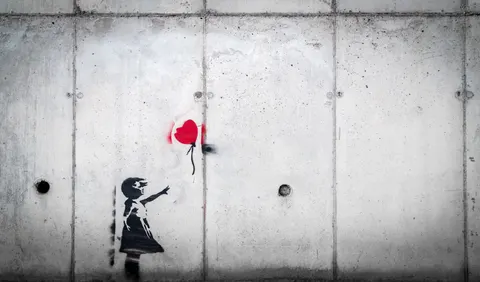
All the big websites look after us almost like parents: they pick the most suitable content for us and save us time and effort. But this is turning into a serious problem for society. The filter bubble makes us more closed to other opinions and more aggressive, drags many of our ugliest traits into the spotlight, and robs us of the nuance and beauty of communication.
 520
Momchil Nikolov: I Fear the Absence of Intelligence More Than Artificial Intelligence
We met the writer Momchil Nikolov to talk about colorful lives from the digital and analog worlds. About oddballs and robots. About taking stock and about freedom.