
Is the Digital Age Waiting for Its Freud?
No matter how thirsty you are, you can't drink from a fire hose. If you don't believe it, try. The same goes for technology. We push it thoughtlessly into more and more corners of our daily lives, handing it one new role after another, until we suddenly find ourselves chained to our screens like Prometheus to his rock. Information technology is a huge opportunity. The dose makes the medicine, but… what is the dose? We will look for the answer to that question, along with another one: when will the Freud of our time appear, and who will he be? The person who will grasp the psychological challenges facing Homo sapiens at the height of the technological revolution. A Freud who will lift the taboos and make sense of the bond between people and information technology.
 262
Gatakka, ChatGPT the Psychologist and the Price of Critical Thinking
Ivan Vankov (Gatakka), a four-time IBM Champion, longtime tech blogger and author of free tutorials that helped many into software, has worked in machine learning, programming, team leadership, DevOps and blockchain architecture, and is now a freelance consultant to promising ventures. With his vast knowledge and wide view of the trends, he practically sketches the future. What big news is coming after the AI boom, how will machine learning change our attitude to work, and how did ChatGPT turn out to be a remarkably successful psychologist?
 263
Edward and the Afronauts
Of all the eternal stories, there is one we underestimate most often. Let us saddle Rocinante, greet an illegally young Dulcinea and chase the windmills of the Solar System! The renowned hidalgo Don Quixote, a few centuries later, is Edward Mukuka Nkoloso, the inventor who… very nearly beat the US and the USSR in their battle for space!
 264
“Then Came Electricity, and the Vampires Fled”
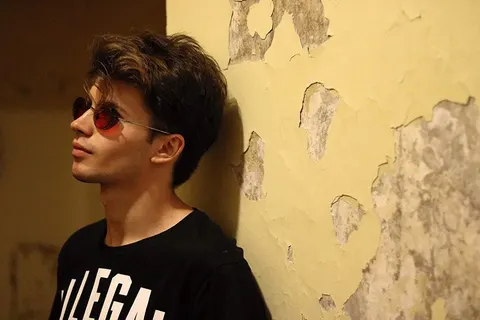
Magic is part of life, and if we give it up, we are left with dry, meaningless algorithms for living. But how do we keep from driving it away while we are swallowed by the stream and its deceptive momentum? Byurhan Kerim answers with his debut novel Lavandulovoto momche (The Lavender Boy), which brings together eternal themes and a modern gaze, classic Balkan plots and magical realism.
 265
Blockchain Democracy
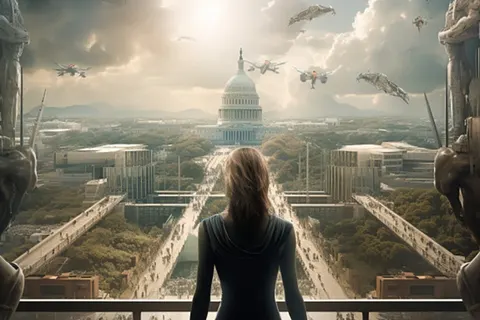
These days we talk about nothing but artificial intelligence, while another of the big technological trends is developing in the shadows… Is blockchain the next step in the way we organize society? And what does the idea have to do with the ancient oracles? Technology is changing a huge part of our lives. Yet in some areas it stays on the sidelines and never quite catches up. It is clear that when it comes to how we are governed and to democracy, there are problems, and the solutions we know are outdated and inadequate for today. Before long, artificial intelligence will probably enter the paradigm too, as has already been discussed. But in the meantime, shouldn't we try to change things ourselves, as people, with the help of the technologies we already have? This one could make electronic voting, such a contentious subject in our part of the world, completely transparent. And on the other hand, it holds the potential for a far more drastic change: blockchain democracy. A way of making the decisions that concern society in a very unexpected, yet logical way.
 266
How Bulgaria Became No. 1 in the World of Linguistics Olympiads
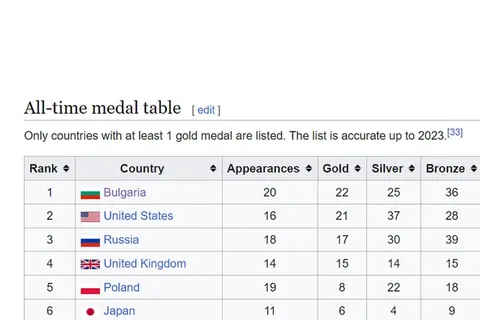
Bulgaria leads the world with the most gold medals from the International Linguistics Olympiad, and after 20 years of these competitions our team is first, ahead of the US, Russia, China and the UK, as Alexander Velinov, the teacher who has stayed close to the team for two decades while teaching and working in the software industry, announced online. How did we get here, what sets good competitors apart, why do wild parties turn out to be a key factor, why don't today's winners listen to music, and what is the unexpected explanation behind the notorious spelling rule of the full definite article?
 267
Hollywood vs. Artificial Intelligence
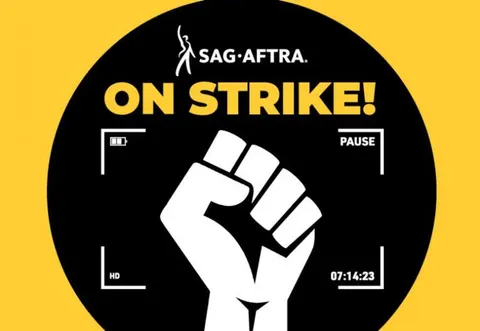
160,000 people rose up in an unprecedented protest against artificial intelligence, which could take the bread out of every one of their mouths. No, they are not factory workers or taxi drivers, but Hollywood actors, many of them known all over the world and holders of prestigious awards, joined by the screenwriters. Why did technology spark the biggest revolt in Hollywood's history, and is it time we all learned something from the stars' protest?
 268
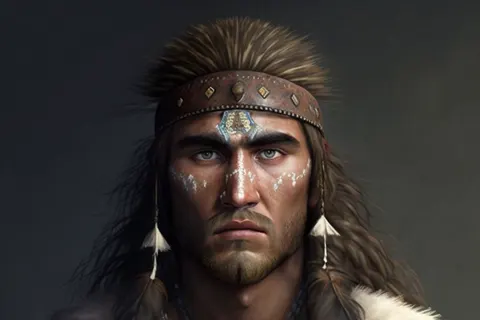
Where Do Bulgarians Come From—and Why Are We Still Fighting About It 1,500 Years Later?
Where do Bulgarians come from? And why are we still fighting about it 1,500 years later? History is now a different story. But what do historians think? Alexander Moshev is not afraid to provoke on matters of the past, while sticking to the rules of science. The past divides us the way only politics and sports can. Why? Can that change? Today's guest studies both the history of the Bulgarians and the way we try to explain and interpret it today. What does science know today about our origins as a people? Why, so many centuries later, do they become a pretext for “bloody” clashes online? Is the end of history approaching, and how will it be changed by the fact that each of us now leaves behind an enormous amount of data? We will also talk about the parallel “history” being born on the internet. About the forgotten heroes of the past. About how world fame fades and when it is worth seeking a different point of view.
 269
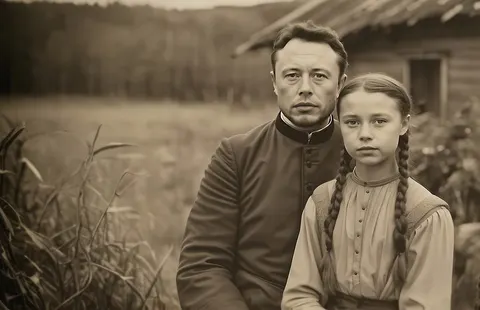
Another History
“Who controls the past controls the future,” says a book we all race to quote. And also: “Who controls the present controls the past.” As we delegate more and more of our memory to technology, life will keep getting easier. As we seek our refuge from time in our own bubbles, this will bring us together and pull us apart. But can today's technology change history? Can it cross out and rethink events from the past? Can we harness artificial intelligence for a more objective view of history in all its periods? Why does the past turn out to be an eternal subject of online quarrels? How does the technology of the future change the past… and the other way around?
 270
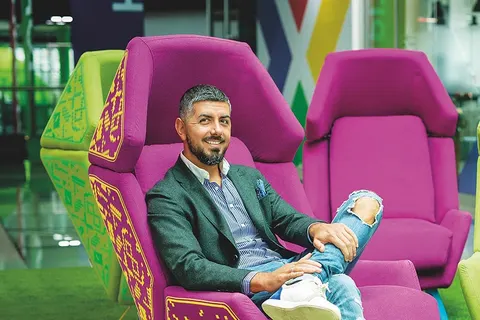
“Now Is the Time to Start Your Own Startup!”
Do you know what it takes to build a startup from nothing and sell it a few years later for more than $37 million? Mihail Stoychev does, and his experience is as inspiring as his drive to persuade more people to launch their own projects in the world of information technology. Why is today the best moment to start, how did NitroPack become a Google partner serving more than 200,000 websites, and why does speed matter so much online, both for websites and for making important decisions?
 271
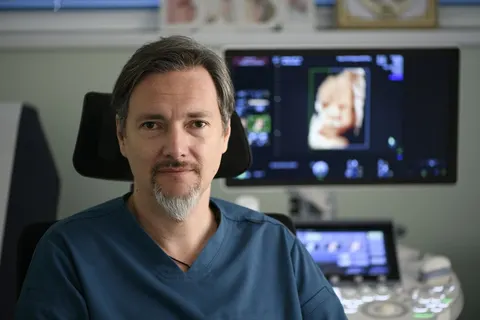
Let’s Hear What the Baby in the Womb Is Saying
Lately we talk much more about providing incubators and equipment to save newborns with complications. But are we doing everything we can to prevent such situations, to make them rarer? Not according to our guest today, Assoc. Prof. Petar Ignatov, an obstetrician-gynecologist and the creator of an innovation that could help diagnose and save a huge number of unborn children.
 272
The Teacher Who Was Never a Pupil
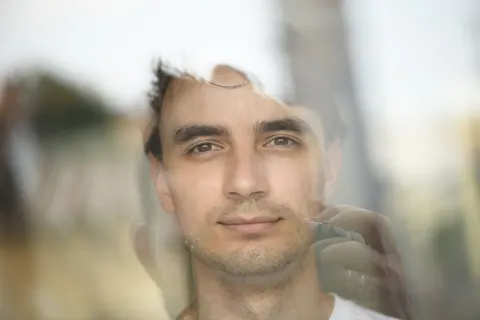
Can a child get a more meaningful education without ever crossing a school's threshold? Bozhidar Marinov is a remarkable young man: only 22, he already has 15 years of programming experience, leads the curious Comrade Cooperative and works on promising blockchain projects. He has never been to school because he was homeschooled, he won a string of programming contests before being barred for being outside the traditional system, and now he teaches the next generation of kids and has written a historical novel about the past of the Rhodope Mountains.
 273
The Lifelogger: Recording Every Moment of a Life
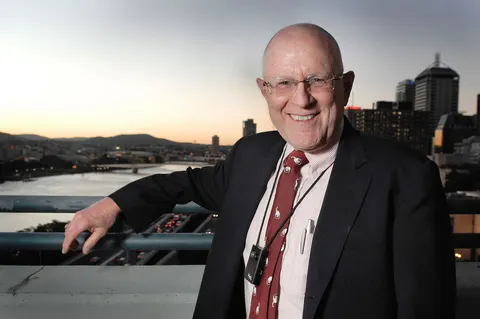
Remember when we used to collect all sorts of things: stamps, napkins, postcards, photos… even memories? The year is 2000. One of the great scientists of his time begins an unusual experiment. Day and night he will wear a camera around his neck that records every moment of his daily life. The idea is to miss nothing! His life will be captured and duly documented, so he can go back to any moment of it, and why not… one day relive it virtually? Gordon Bell is a world-famous computer scientist, and one of the most prestigious awards in computing bears his name. But the experiment he undertook—recording every second of his life—gives us far more today than his scientific research. One way or another, it shows where we are all headed. His idea sounds like a joke… because it has already become everyday practice. Yes, we leave a huge trail online of every minute we live. And it doesn't impress us, doesn't please us, doesn't even make us ask what the consequences might be. Do you dream of remembering every important moment of your life? The first kiss, your newborn's first smile, that unforgettable meeting that showed you how to change your life? Today it is easier than ever. And at the same time harder, more challenging, even… more dangerous.
 274
Hello, Cobot!
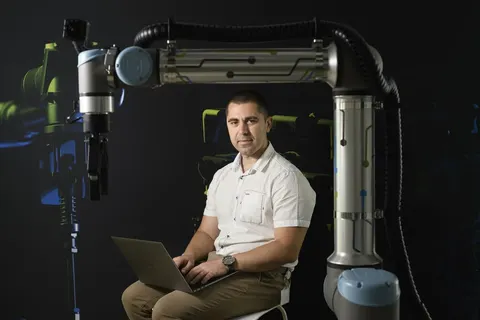
“A robotic assistant bakes moussaka in the oven while hanging out the laundry from the washing machine…” Doesn’t sound bad at all, does it? While we were still getting used to the idea that a vacuum cleaner could be a cute, round robot… it has been roaming our homes for years, mapping the rooms and saving us from the dust. Might the same thing happen with the next everyday innovations? Very soon, on August 26, software engineer Zhivko Petrov will show us “firsthand” why a robotic assistant may arrive sooner than we expect. He is one of the speakers at the annual DEV.BG All in One event, which brings the IT community together with guests who sketch out the big topics. Zhivko will be there shoulder to shoulder with Mara the robot. Before that, it is time for a few important questions about the future of robotics. For Zhivko, and for the mechanical lady he is bringing along…
 275
Do It Yourself: AI That Builds AI
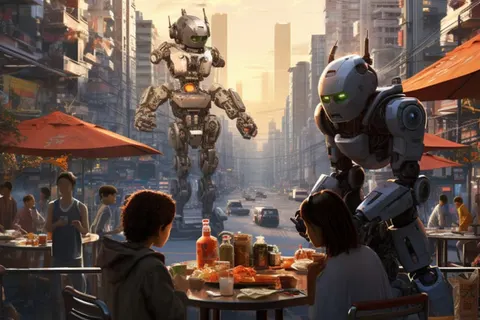
What happens when artificial intelligence takes on its next big job: creating… artificial intelligence? What if we asked the famous ChatGPT to “create” a new neural network to solve a specific problem? Can complex algorithms build their own successors, what would that change, and could it lead us to the next step, an absolute AI capable of solving any task? These questions have many possible answers, but while we ask them we may miss something important: systems already exist in which AI oversees and assists the process of creating its own “kin”…
 276
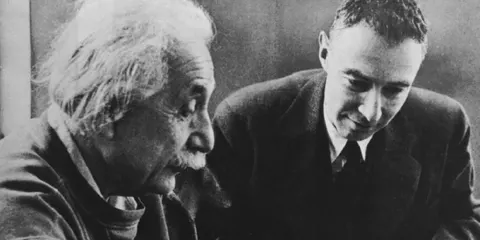
Oppenheimer: The (New?) Prometheus
J. Robert Oppenheimer, “the father of the atomic bomb,” built the most powerful weapon of destruction and then became one of the most stubborn and persuasive advocates for banning it. It is no accident that his story is being told again today, when bombs are falling in Europe once more and technological progress may again carry the risk of self-destruction.
 277
Gaddafi and Zuckerberg Walk into a Bar…
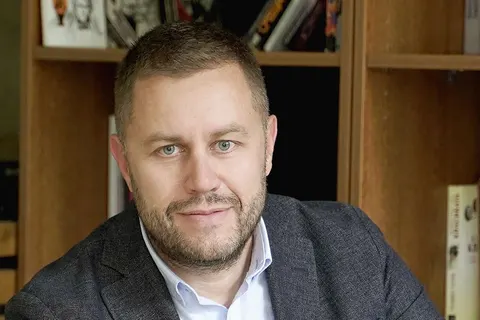
What do Mark Zuckerberg and Muammar Gaddafi have in common, and is travel still worth it now that we can see everything online? Georgi Milkov, a journalist who once went to a bar with Vladimir Putin in the middle of Sofia, talks about the riches of technology and what it takes away from us.
 278
What Do You Want to Read Tomorrow?
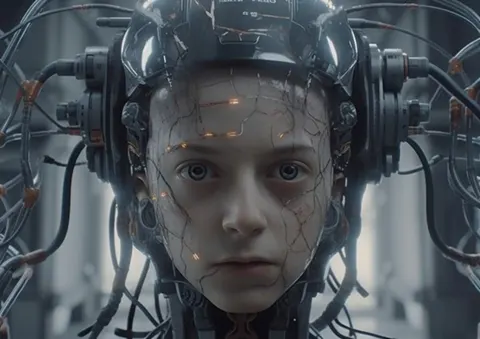
How do we want tomorrow to look, and will we still tell truth from lies as we sink ever deeper into our bubbles? Over the past 20 years we have forgotten how to read long texts and changed our very relationship with the truth. My answer to how we save the future may sound idealistic, because I am betting on the contender losing the battle for attention most badly today: traditional media.
 279
How YouTube Was Meant to Be Tinder: Three Programmers and $1.65 Billion
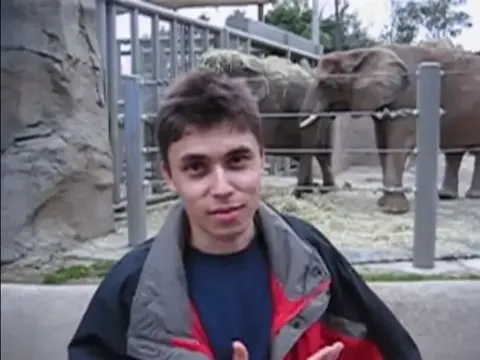
How many programmers does it take to change a light bulb? Probably depends on how motivated they are. But you'll be surprised to learn that just three are enough to create… YouTube. In the beginning it was quite different, because the platform that became a synonym for video content was originally supposed to be a dating site. Three former PayPal employees launched the project in early 2005, and less than two years later Google bought it for $1.65 billion! Here is the little-known, twist-filled story of one of the giants of the digital world. Of the site that made video unimaginably easy to share. Of the project that for many years ranked among the three most visited pages on the planet.
 280
We Won't Eat Animals. We'll Talk to Them?!
Will the future really force us to give up meat? Or will we simply eat meat that… was made without killing an animal? Will technology soon let us understand more about how our best animal friends see the world? Will it let us talk to them… Our relationships with the other species on the planet have always been more layered than we realize. The most fascinating remain our ties with our closest “relatives”—the mammals and the other links that have climbed high up the food chain. We give them souls and make them part of our daily lives… while the vast majority of the planet's inhabitants rarely pass up a chance to snack on them. Our relationships with the other species on Earth are yet another field where technology promises striking news, and in the foreseeable future at that.